Carved Stories of the Julian Alps
Journey with us into the woodcarving heritage rooted in the villages of Triglav National Park, where alpine forests, family workshops, and centuries-old rituals shape useful objects and soulful art. We’ll meet makers, decode symbols, trace materials from storm-felled logs to polished keepsakes, and discover why these carvings still anchor identity, hospitality, and memory along stony lanes and beneath the unmistakable silhouette of Triglav’s three-headed peak.
Where Mountains Meet the Mallet
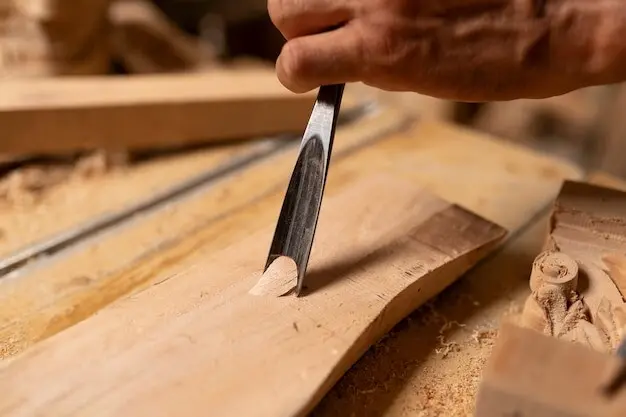
Across quiet farmyards and steep valleys, carving grew from necessity into an expressive language that belongs to the high country. In villages like Bohinj, Trenta, and remote hamlets tucked near forest edges, tools once used for mending crates and shepherd gear also shaped altarpieces, toys, and signboards. Every notch records weather, migration, and pride, binding households to mountain seasons and the durable patience of spruce and linden.
Hands, Steel, and Living Wood
Choosing the right tree
Seek straight grain from trees shaped by clear cold air, preferably cut during the waning light of winter when moisture rests and fibers calm. Local knowledge favors linden for gentle tooling, pear or maple for crisp ornament, and storm-fallen spruce for resilient utensils that remember thunder yet cooperate beneath careful knives.
Edges that carry intention
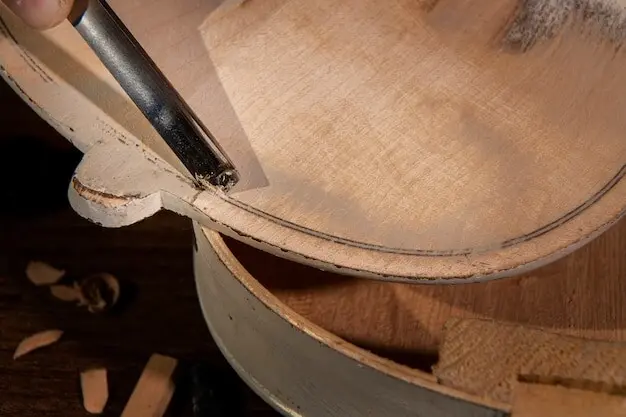
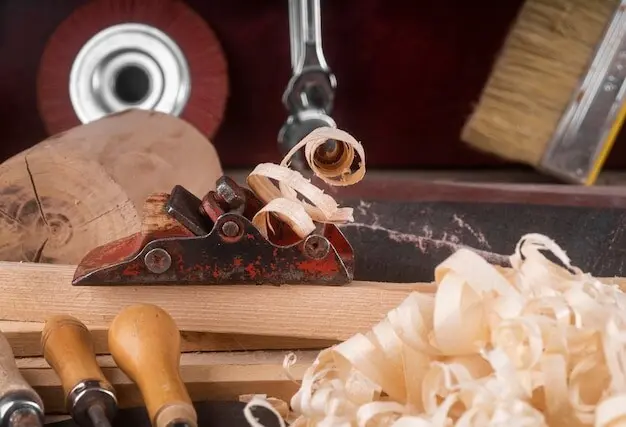
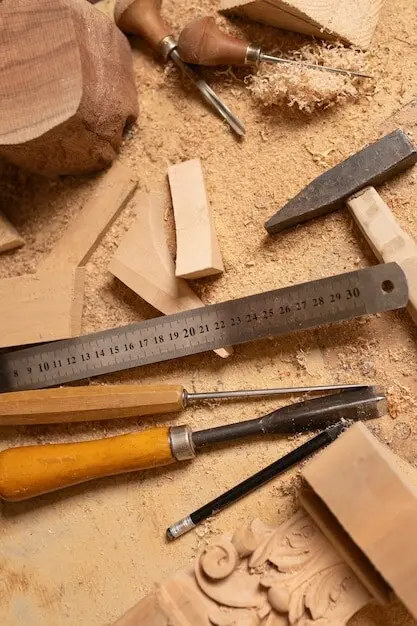
Sharpening is quiet stewardship: consistent bevels, light pressure, and leather strops loaded with simple compound. A small slipstone kisses the inside of gouges; a hard stone trues the V-tool. When edges meet wood without argument, hands relax, cuts align with grain, and surfaces require only soft burnishing and a breath of oil.
From block to breath
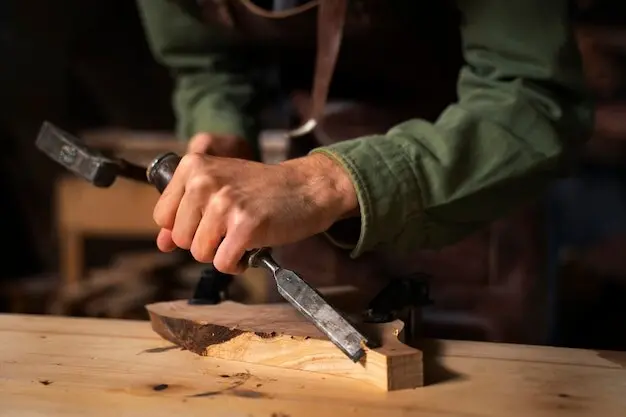
Begin with a cardboard silhouette and a pencil line obeying the grain’s map. Roughing cuts invite the mallet; detail waits for quiet knives. Anchor the work securely, pause often, and turn the light. Finishing with walnut oil and beeswax revives color, while days of curing ensure durability without choking the wood’s voice.
The Language of Alpine Motifs
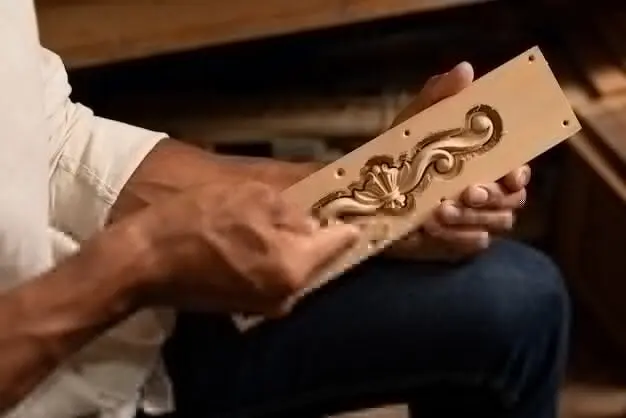
Every mark is a word in a local dictionary formed by peaks, chapels, and pastures. Petals, stars, and braided borders carry hopes for safety, luck, and good harvests, while chamois, trout, and eagles recall encounters on ridgelines and river bends. Even the silhouette of Triglav appears quietly, folded into borders that guide eyes home.
Apprenticeship by the stove
Children watch edges flash beside the old tiled stove, then try shavings of their own under a grandparent’s steady nod. Mistakes become lessons, saved on a hook to review next season. Songs, recipes, and tool names flow together, making craft literacy feel like family storytelling, rhythmic, forgiving, and inseparable from shared supper.
Gatherings under bright bunting
Summer markets and winter fairs along stone squares bring benches outdoors, letting visitors smell shavings and hear the tick of mallets. Demonstrations invite hesitant hands to try a chip rosette; local choirs and bakers keep spirits high while makers exchange timber, gossip, techniques, and invitations to hike trails where designs first appeared.
Forests, Ethics, and Future Wood
Living beside a protected landscape asks for restraint and creativity. Villagers collaborate with foresters, honor buffer zones, and choose material that does not burden habitats already under climate stress. Salvaged beams, windthrow, and beetle-kill become keepsakes with traceable stories, while finishes favor plant oils and waxes that weather gracefully, invite renewal, and respect the home’s breath.
Working with the Park’s rhythm
Permits, guidelines, and seasonal constraints protect nesting sites and riverbanks, yet they also encourage ingenuity. Makers arrange harvests with local authorities, swap materials when needed, and document origins for buyers who value accountability. Stewardship here is not signage; it is planning, restraint, and the courage to say no when wood should simply stand.
Using what storms deliver
After heavy weather, fallen trunks become opportunities rather than waste. Community crews clear paths; artisans salvage straight sections, respect decay that houses beetles, and mill planks with stories still visible as scar lines. Working this material demands flexibility and gratitude, transforming disturbance into durable comfort without cutting a single healthy tree.
Finishes that age with grace
Food-safe oils pressed from walnut or linseed, beeswax from nearby hives, and plant pigments allow objects to breathe and be renewed. When life scuffs a spoon or frame, repair is simple and fragrant, reminding owners that maintenance is intimacy, and that beauty grows through use, rather than being sealed away beneath plastic shine.
Your Turn to Join the Story
Try a simple chip pattern today
Begin with a softwood offcut, a sharp small knife, and a triangle layout drawn with a pencil and coin. Hold the blade steady and slice, never pry. Photograph your result, however wobbly, and comment with reflections; we will reply with pointers, encouragement, and next steps aligned with your hands and available tools.
Share a carving memory from the mountains
Did your grandparents keep a carved spoon by the stove, or did you stumble upon a roadside wayside cross that felt like a greeting? Add your story below, name the valley if you can, and attach a snapshot. Shared memories help map connections and invite respectful travel guided by craft, not haste.
Stay close as seasons change
Join the mailing list for behind-the-scenes notes, early invitations to village workshops, and occasional polls where your vote shapes which techniques, motifs, or makers we feature next. Participation keeps this journey responsive and honest, ensuring that mountain skills remain conversational rather than distant, ceremonial, or sealed behind glass.
All Rights Reserved.