Living by Hand in the Julian Alps
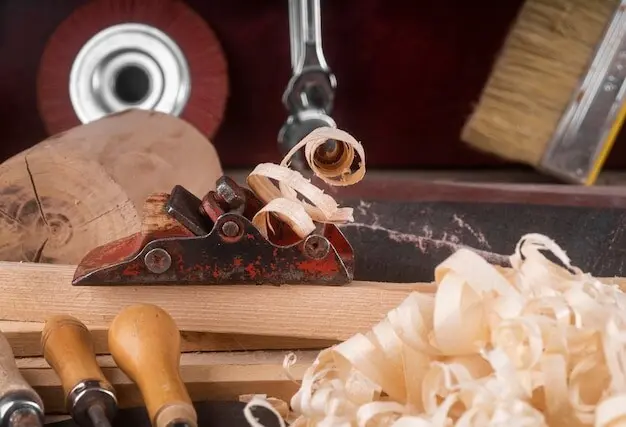
Step into the Julian Alps Artisan Lifestyle, where mountain wood, meadow wool, and river-polished stone become everyday companions. We’ll wander from high pastures to workbenches, meet cheesemakers, carvers, and beekeepers, and gather practical tips for respectful travel, meaningful purchases, and hands-on learning. Share your questions in the comments, send your market discoveries, and subscribe for maker maps, seasonal workshops, and gentle prompts that turn admiration into action.

Mountain Materials, Honest Hands

Among spruce forests and limestone ridges, makers choose materials the landscape offers and seasons approve. Nothing rushes: boards dry under eaves, wool gathers the scent of smoke, and stones hold river memory. Tools are simple, repairs expected, and beauty emerges from utility, patience, and a promise to leave tomorrow’s resources a little richer than today’s harvest.

Wood Shaped by Snow and Sun

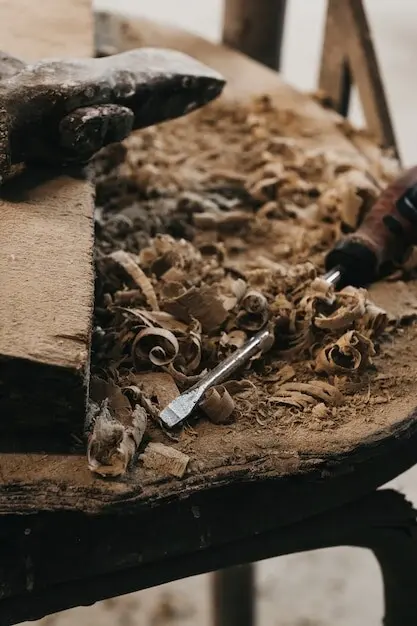
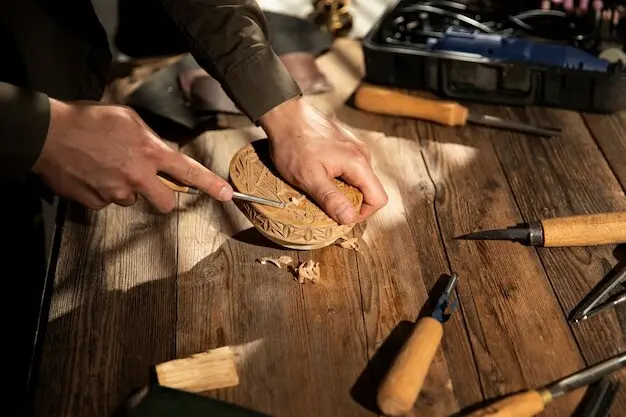
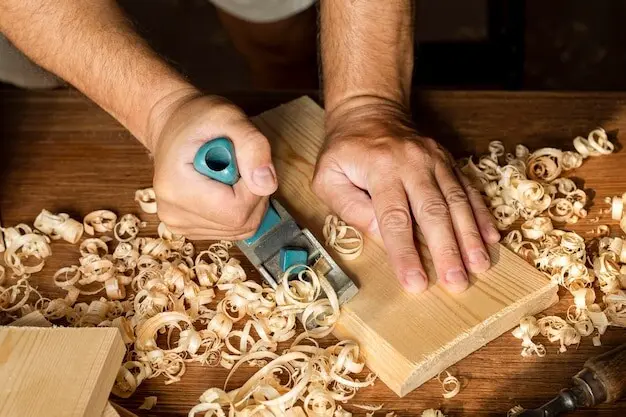
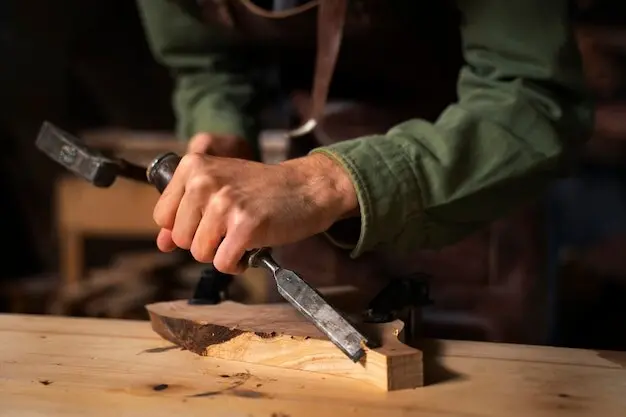
Carvers read rings like diary lines, choosing larch for weathered strength and spruce for resonant lightness. Spoons, milk-stools, and hayrake teeth are cut green, then seasoned slowly, finished with linseed and beeswax. Knots become features, not flaws, reminding hands and eyes that winter storms also teach the grain to sing.

Wool From High Pastures

On June ascents to summer pastures, fleeces travel beside bells and bread. Spinners tease lanolin-rich locks, dye with walnut hulls, alder bark, and onion skins, then felt into slippers that remember meadow softness. Patterns borrow clouds, heel construction borrows patience, and every stitch promises warmth exchanged fairly between animal, maker, and wearer.

Dawn at the Dairy Hut

Before sun reaches the ridge, curds gather in quiet rhythm. A shepherd named Luka stirs with a paddle older than his father’s boots, testing by ear and scent. Whey warms porridge, becomes ricotta-like skuta, and later feeds pigs, folding thrift into flavor while smoke braids through rafters and jackets steam dry.

Aging in Cool Rock Cellars

Down in damp stone, wheels rest on spruce boards tuned like instruments. Brine rubs guide the rind, flipping schedules become calendars, and mold whispers region more clearly than any label. When storms pass outside, patience accumulates inside, and the first cut releases months of meadow, labor, and luck in one generous breath.

Tastes of a Year in Every Slice

Spring offers butter and violets; late summer leans nutty, with a hint of smoke from rain-kept fires. Sheep’s milk sharpens, cow’s rounds mellow, and goat brightens like bellmetal. Pair with buckwheat bread, mountain honey, and pickled turnip, then notice how conversation slows because noticing itself has finally become the meal.

Lace, Metal, and Quiet Mastery
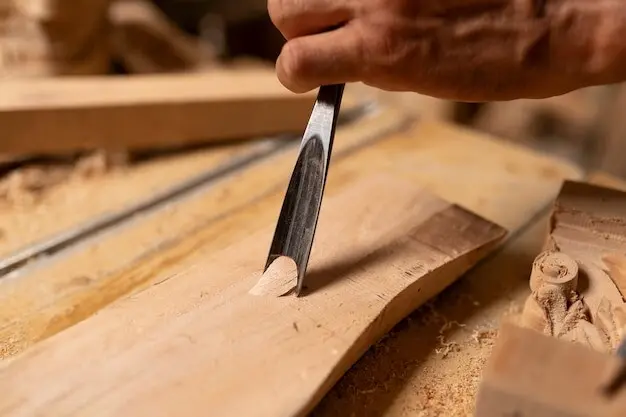
In workshops that smell of beeswax and iron, patience loops through bobbins and hammers. While Idrija’s tradition sits beyond these valleys, its spirit threads here through neighbors and cousins, inspiring edgings on shawls, lamp shades, and altar cloths. Blacksmiths shape hinges and knives for mushroom baskets, proving usefulness can feel like jewelry.
A lace pillow hosts a map of pins, each prick marking river bends, fieldlines, and family sayings turned into crossings. Bobbins click like gentle rain on a tin roof. Young makers sketch motifs from snowflakes and gentians, honoring elders while letting fresh wind into windows that have always opened toward mountains.
At a coal-bright hearth, a bar glows cherry, then orange, then a stern, useful gray. Hooks curl to hold pans, hinges swing quietly on stable doors, and small knives slip easily into mushroom baskets. The rhythm is strike, turn, quench, smile; the goal is durability that invites daily touch.
Some hands weave linen cords through smartphone sleeves, others laser-etch patterns based on bobbin drafts, and a few forge bicycle racks from reclaimed iron. Adaptation here is not betrayal; it is mountain sense, like switching paths after fresh snow, so makers survive, families thrive, and heritage keeps its honest pulse.

Herbs, Honey, and Alpine Remedies

Medicine cabinets once began at the doorway, where boots carried herb scents from ridges. Today, herbalists and beekeepers continue those pathways with care. Carniolan bees gather resinous forest notes; stills capture hydrosols and oils; syrup pots welcome spruce tips. Knowledge moves gently, respecting protected plants, sharing what heals without taking what harms.

Markets, Festivals, and Shared Tables

Village squares become living cupboards when Saturday dawns clear. Baskets brim with rye loaves, smoked trout, comb honey, yarn, and knives whose makers stand beside them, ready to sharpen, explain, or smile. Music finds shade under plane trees. Eating together softens accents, and strangers leave carrying flavors, friendships, and tomorrow’s recipes.

A Walk Through Morning Stalls

The first stop is always the talkative cheesemonger whose scales creak like old gates. From there, a weaver displays shawls catching sunlight, while a woodcarver rebalances a spoon’s bowl with two careful strokes. Nothing shouts; everything invites touch, questions, and the imperfect beauty that proves a person, not a factory, stood here.

Cooking Beside the River

After the market, friends gather by the Soča, where water glows impossible green. Buckwheat mush meets browned onions, beans and sauerkraut simmer into jota, and a skillet crisps trout in butter. Plates balance on stones, children chase shadows, and taste buds align with the patient rhythm of moving water.

Gifts That Travel Well

Choose objects that carry origin gracefully: a knife signed under the handle, wool whose dye story you can retell, a jar labeled with hive and hill. Ask how to care for each piece, then leave a note later, so a maker’s evening includes your thanks beside the lamp.
Planning a Craft-Centered Journey

Map loop trails near studios, noting bus links, river crossings, and hours that shift with haying or snow. Book workshops early, bring cash for small purchases, and pack spare socks. Leave room in your day for long conversations, because wisdom and directions both travel more accurately when unhurried.

Etiquette on Pastures and in Workshops
Walk edges, not centers, of meadows; shut every gate as you found it; and offer a greeting before a question. Ask permission for photos, remove muddy boots, and keep voices gentle. These habits turn visits into friendships, ensuring crafting time remains focused, safe, and generously open to learners.

Support That Lasts Beyond a Visit

Follow artisans online, order seasonally when postage and weather cooperate, and pay deposits promptly for custom work. Recommend makers by name, credit photos correctly, and gift memberships or cheese bundles to friends. Sustained attention steadies rural livelihoods, so mountains keep welcoming newcomers without losing the quiet that nurtures skill.
Davosentozavoloro
Privacy Overview

This website uses cookies so that we can provide you with the best user experience possible. Cookie information is stored in your browser and performs functions such as recognising you when you return to our website and helping our team to understand which sections of the website you find most interesting and useful.